
 By admin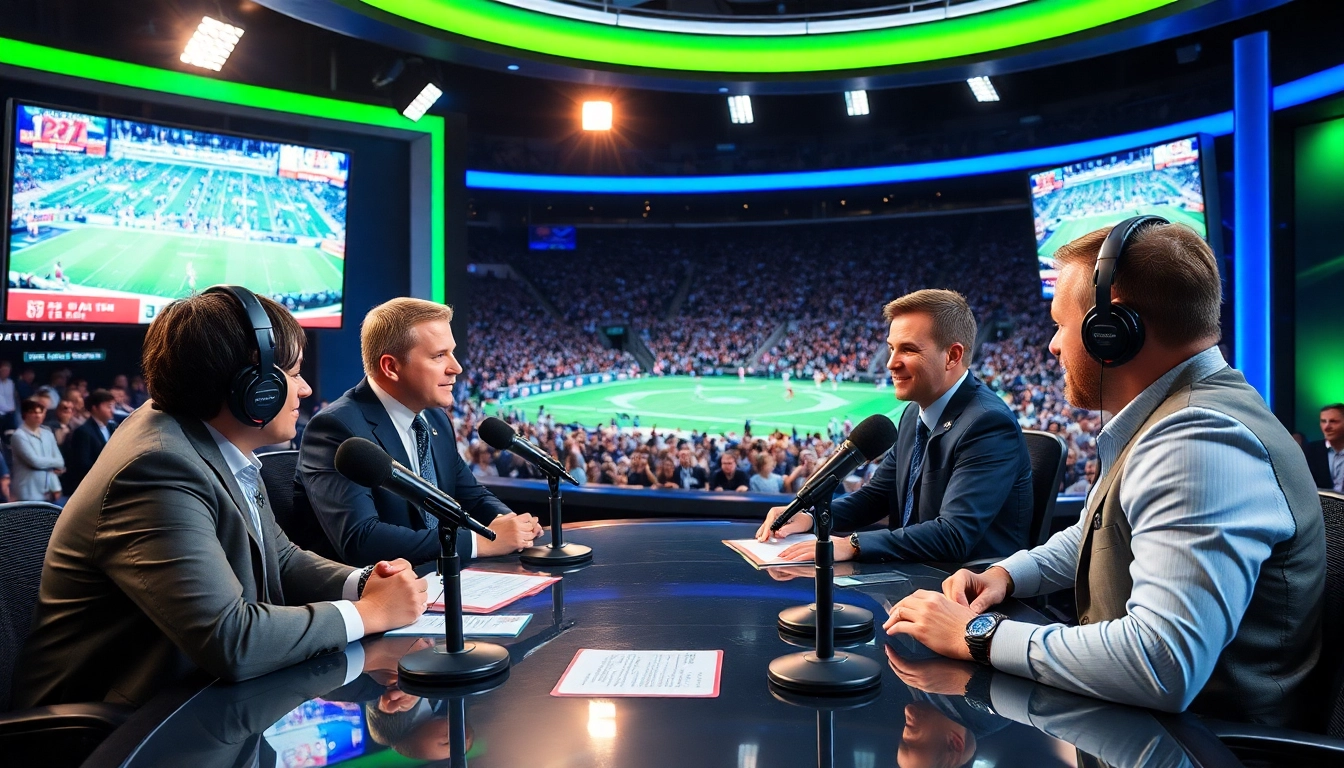
Understanding the Basics of Sports Broadcasting
Definition and Scope of Sports Broadcasting
Sports broadcasting refers to the live transmission of sports events through various media platforms, including television, radio, and online streaming. It serves not only to inform but also to entertain, enriching the experiences of fans and audiences. The scope of sports broadcasting has expanded to include various forms, such as play-by-play commentary, analysis, and behind-the-scenes features, all aimed at delivering a comprehensive viewing experience. As technology evolves, so does the delivery mechanism, facilitating real-time updates and engagement via digital channels. This makes Sports Broadcasting a dynamic field that continuously adapts to audience preferences and technological advancements.
The Evolution of Sports Broadcasting
The journey of sports broadcasting has been remarkable over the decades. In the early 20th century, sports enthusiasts relied primarily on radio broadcasts, where commentators brought live action to life through vivid storytelling and auditory cues. As television became popular in the mid-20th century, it transformed the landscape, offering visual content that captivated millions. Today, with the advent of the internet and mobile technology, streaming services have revolutionized how fans consume sports, allowing for on-demand access and personalized viewing experiences. The evolution has not only changed how games are broadcasted but has also influenced advertising, sponsorship, and fan engagement strategies.
Key Components of Sports Broadcasting
Several key components constitute effective sports broadcasting. First and foremost are the commentators who encapsulate the essence of the game through their expertise and enthusiasm. Next, camera operations are crucial, as they capture various angles that bring the action closer to the viewer. Additionally, production teams handle graphics and data enhancements during live broadcasts, offering real-time statistics and insights. Lastly, connectivity and distribution platforms ensure that broadcasts reach diverse audiences, reinforcing the importance of a coordinated effort among teams and technology.
Essential Equipment for Effective Sports Broadcasting
Cameras and Lighting Gear
High-quality cameras and effective lighting setups are vital for delivering crisp, clear images to viewers. In professional sports broadcasting, multi-camera setups are standard to capture the action from various perspectives. Cameras with high resolution and slow-motion capabilities are crucial for analyzing key moments in sports events. Lighting plays an equally important role; proper illumination not only enhances video quality but also sets the tone for the audience’s emotional experience. Understanding the interplay between lighting and camera work can ultimately elevate the quality of a sports broadcast.
Sound Equipment for Clear Transmission
Clear audio transmission is indispensable in sports broadcasting. Quality sound equipment includes microphones, mixers, and soundproofing systems that ensure crisp commentary and reduce background noise. The placement of microphones, both on commentators and within the venue, directly impacts the listening experience. In-game audio—such as crowd reactions and field sounds—also enriches the broadcast, providing an immersive experience for the audience. Investing in premium sound equipment is essential for professional sports broadcasts, ensuring that audiences feel fully engaged.
Editing Software and Tools
Post-production is a crucial phase in sports broadcasting where editing software and tools come into play. Programs like Adobe Premiere Pro and Final Cut Pro allow teams to compile highlights, create promotional content, and enhance live broadcasts with graphics. Efficient editing processes are essential to deliver timely content, especially in a fast-paced sports environment. Moreover, understanding how to create engaging montages, player interviews, and analytical segments can significantly boost audience engagement post-broadcast.
Crafting Engaging Content in Sports Broadcasting
Storytelling Techniques for Sports Broadcasting
Storytelling is at the heart of effective sports broadcasting. Beyond the raw scores and statistics, audiences connect with narratives that evoke emotions. This can include the personal stories of athletes, the historical significance of events, and the undercurrents of rivalry. By employing techniques such as foreshadowing, flashbacks, and character development, broadcasters can create gripping narratives that enhance viewer investment in the game. Additionally, integrating statistical insights and expert opinions can lend credibility to these narratives, making them even more engaging.
Building Audience Engagement Through Interactivity
Engaging audiences through interactivity has become a cornerstone of modern sports broadcasting. Platforms now allow fans to participate in polls, predictions, and discussions, fostering a community around the broadcast. This interaction can also extend to fantasy sports and betting platforms, where real-time decisions affect viewer engagement. Broadcasters should leverage these tools to build connection and offer additional value beyond mere spectating, actively involving audiences in the narrative unfolding before them.
Utilizing Social Media for Live Coverage
Social media has transformed how sports are broadcasted, providing instant access to highlights, commentary, and fan interactions. Platforms such as Twitter, Instagram, and TikTok allow broadcasters to share real-time updates, engage with viewers, and create a buzz around matches. By integrating social media strategies into the overall broadcasting plan, producers can enhance viewer experience, allowing fans to feel like part of the action through live updates, reactions, and even user-generated content.
Analyzing Audience Metrics in Sports Broadcasting
Understanding Viewer Demographics
Understanding viewer demographics is critical in tailoring content to meet audience preferences. By leveraging analytics tools, broadcasters can gain insights into who is watching, their geographical distribution, and viewing habits. This data enables producers to adjust content strategies, from the choice of games broadcasted to the timing of shows. For example, understanding that a significant portion of the audience is young adults may lead to integrating more modern formats and trends that resonate with that demographic.
Using Metrics to Enhance Content Strategy
Metrics such as viewer ratings, engagement rates, and social media interactions provide invaluable feedback for content strategists. By analyzing this data, broadcasters can identify what works and what doesn’t, allowing for continual improvement of their broadcasts. It’s essential to adapt content strategies based on these insights, such as increasing the diversity of sports covered or tailoring the broadcast style to viewer preferences, ensuring that the audience remains engaged and returns for future broadcasts.
Leveraging Viewer Feedback for Improvement
Audience feedback, whether obtained through surveys, social media comments, or focus groups, is a powerful tool for improving sports broadcasts. Regularly soliciting input allows broadcasters to understand their strengths and weaknesses from the viewers’ perspective. This feedback can guide changes in style, content focus, and even technical improvements in broadcasts. Embracing constructive criticism is not only essential for content enhancement but also for building a loyal viewer base committed to the network.
Challenges and Future Trends in Sports Broadcasting
Common Challenges in Live Broadcasting
Live broadcasting presents several challenges, ranging from technical issues to time constraints. Technical failures—such as equipment malfunctions or internet connectivity problems—can disrupt the flow of a broadcast, diminishing viewer experience. Additionally, adhering to strict scheduling while accommodating for potential delays can be complicated. Preparation, including thorough rehearsals and backup systems, can mitigate these risks, ensuring a smoother broadcasting experience even when unexpected challenges arise.
Emerging Technologies in Sports Broadcasting
The landscape of sports broadcasting is continuously reshaped by emerging technologies like 5G networks, VR, and AR. 5G technology allows for higher-quality streams with lower latency, enhancing the live viewing experience. Virtual and augmented reality are also creating immersive environments, allowing viewers to experience games as if they were in the stadium. Adapting to these technologies can set broadcasters apart in a competitive market, offering audiences unique experiences that enhance engagement and viewership.
The Future Landscape of Sports Broadcasting
As technology progresses, the future of sports broadcasting holds exciting possibilities. Innovative formats like interactive broadcasts, where viewers can choose camera angles or commentary styles, will likely gain popularity. Additionally, with the rise of OTT (Over-The-Top) services, traditional broadcasting methods may be challenged, altering revenue models significantly. Broadcasters must remain agile, adapting to these trends to meet evolving audience expectations while exploring new monetization opportunities.
FAQs about Sports Broadcasting
What is sports broadcasting?
Sports broadcasting is the live transmission of sports events through media outlets like TV, radio, and online platforms, focusing on informing and entertaining audiences.
How has sports broadcasting evolved?
Sports broadcasting has evolved from radio transmissions to television broadcasts and, most recently, to online streaming services, enhancing viewer engagement and access.
What equipment is essential for sports broadcasting?
Essential equipment includes high-quality cameras, lighting gear, sound equipment, and editing software, all crucial for delivering professional-level broadcasts.
How can audience engagement be improved in sports broadcasting?
Audience engagement can be enhanced through interactivity, storytelling techniques, and leveraging social media to create community and real-time interactions.
What are the future trends in sports broadcasting?
Future trends include emerging technologies like VR/AR, 5G streaming, interactive formats, and OTT services, all reshaping how sports content is delivered to audiences.